How to date a postcard
In short
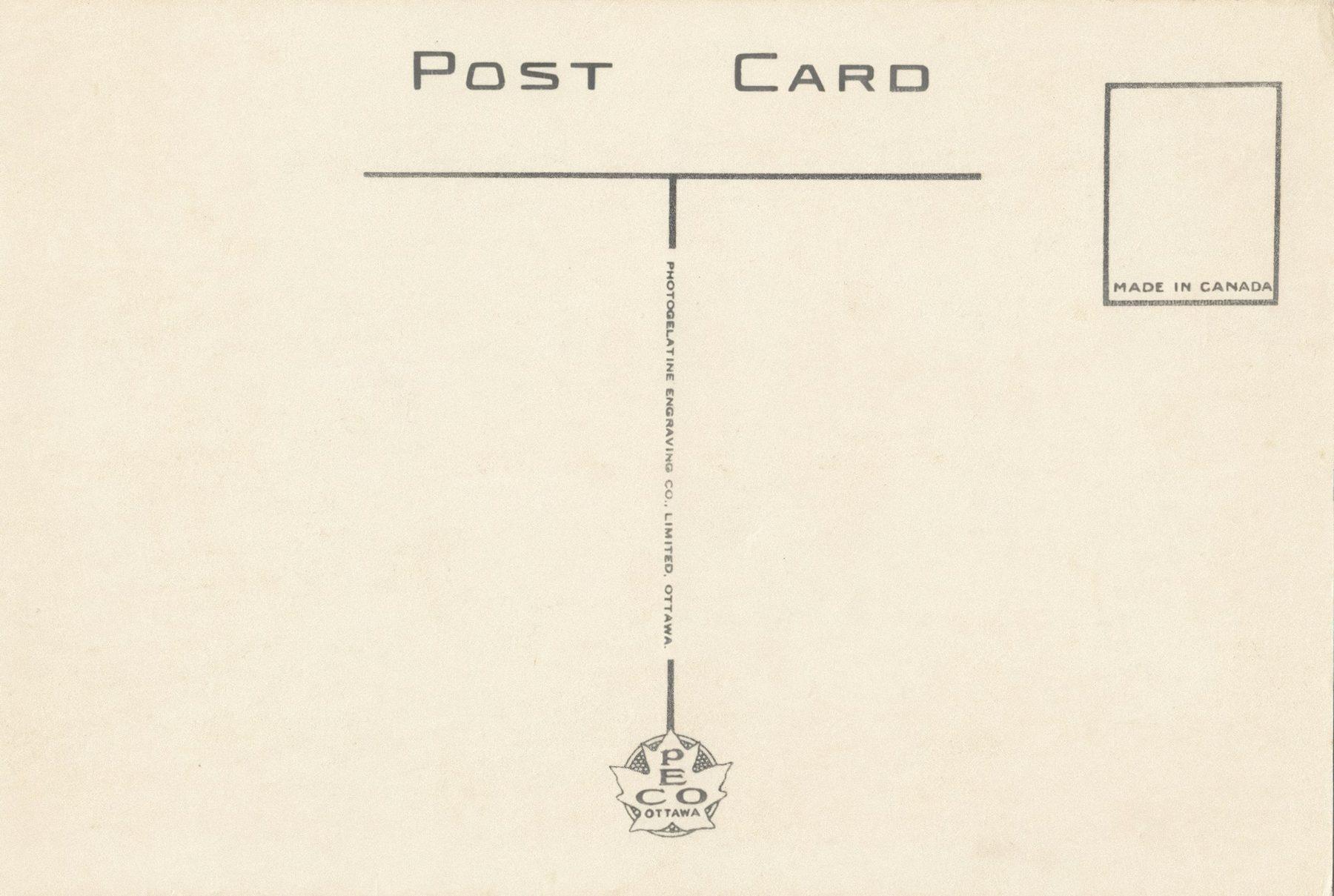
Turn the card over. An address-only back means about 1901 to 1907; a back divided by a line into message and address means 1907 or later. Then read the front: white border about 1915 to 1930, cloth-textured linen about 1930 to 1945, glossy chrome 1939 onward. Postmarks and printer codes narrow it further.
What are the postcard eras?
US collectors use five main eras for picture postcards: undivided back (about 1901 to 1907), divided back (1907 to about 1915), white border (about 1915 to 1930), linen (about 1930 to 1945) and chrome (1939 to today). The dates overlap and differ by a year or two between sources, so treat them as ranges.
- Undivided back1901–1907
Post Card
This side for the address
- Divided back1907–1915
Post Card
Arrived safe, the view is unreal. - White border1915–1930

Monument Valley
- Greetings fromThe CoastLinen1930–1945
- Chrome1939–today

| Era | Years (approx.) | How to recognise it |
|---|---|---|
| Undivided back | 1901–1907 | Back for the address only; messages written on the picture side |
| Divided back | 1907–1915 | A vertical line splits the back: message left, address right |
| White border | 1915–1930 | A plain white margin around the picture |
| Linen | 1930–1945 | Cloth-like textured face, vivid inks, smooth back |
| Chrome | 1939–today | Glossy colour photograph |
What does the back of a postcard tell you?
The back is the fastest clue. If there is no line and the back is meant only for the address, the card almost certainly predates March 1, 1907, when US law first let private postcards carry a message on the address side. A vertical dividing line means 1907 or later. Printed wording and the stamp box add detail.
Earlier still, from 1898 to 1901, private cards had to carry the words “Private Mailing Card” with a reference to the Act of Congress of May 19, 1898. From December 24, 1901 private printers could use the words “Post Card”.
How does the front of a postcard help date it?
Look at how the picture was printed. A white margin around the image points to about 1915 to 1930. A textured, cloth-like surface with bright, slightly unreal colour is a linen, about 1930 to 1945. A smooth, glossy colour photograph is a chrome, which appeared around 1939 and dominated from about 1950.
How do stamps, postmarks and printer codes help?
A postmark gives the date the card was mailed, so it was printed on or before that date. The stamp’s design and value can be matched to when it was sold. Many publishers printed a code on the back: Curt Teich cards carry production numbers that the Newberry Library’s guides match to years.
Reference sites such as Playle’s publish dating notes for publishers including Curt Teich and Detroit Publishing. Learn more in our Curt Teich guide.
How do you date a real photo postcard?
A real photo postcard is a true photograph on photographic paper with a printed postcard back, made from about 1903 onward. The photo paper brand printed in the stamp box is the usual dating clue, since makers changed their stamp-box designs over the years; collectors match these against published reference tables.
Look closely with a loupe: a real photo shows continuous tone, while a printed card shows a dot screen.
What came before 1901?
In the US, privately printed cards of up to an ounce could be mailed from 1861, and the government issued its first postal card in May 1873. The Private Mailing Card Act of May 19, 1898 let private printers make cards mailable at the same one-cent rate, and picture postcards took off from there.
Collectors call cards from before 1898 the pioneer era. For how the Greetings from style grew out of this period, read large-letter postcards.
Frequently asked questions
Read the back first. A back reserved for the address only points to before March 1, 1907; a back divided into message and address dates from 1907 or later. Then check the front for a white border (about 1915 to 1930), a linen texture (about 1930 to 1945) or a glossy chrome photo (1939 onward), and any postmark or publisher code.
It means the whole back was reserved for the address, so any message had to be written on the picture side. In the US that was the rule for private postcards until March 1, 1907. Undivided-back cards usually date from about 1901 to 1907.
A postcard printed on card stock with a high rag content and an embossed, cloth-like texture on the picture side, which took bright inks well. Linens were made from about 1930 into the 1950s and include most classic Greetings from large-letter cards.
Only roughly. A postmark shows when the card was mailed, which can be years after it was printed, since shops sold old stock. Use the postmark as the latest possible date and the back and finish to estimate when it was printed.
A real photo postcard, or RPPC, is an actual photograph printed on photographic paper with a postcard back, rather than a printed reproduction. They date from about 1903 onward, when Kodak introduced a camera for postcard-size film, and are often one of a kind.
Sources
- 01History of postcards in the United StatesWikipedia, checked November 26, 2026
- 02Tips for determining when a postcard was madeCenter of Southwest Studies, Fort Lewis College
- 03Dating postcardsUniversity of Vermont Landscape Change Program
- 04Postcards at the NewberryNewberry Library, checked November 26, 2026
- 05Playle’s deltiology reference pagesPlayle’s, checked November 26, 2026
- 06Curt TeichWikipedia, checked November 26, 2026
Checked November 26, 2026. Prices and services change; confirm anything important with the source. We are not paid by any company named. Disclaimer · How we check facts